
FACT CHECKED
Most people brush twice a day, every day, yet many forget to change their toothbrush on time. Using the same brush for too long causes bristles to wear out, reducing cleaning effectiveness. Hygiene also drops, as plaque and bacteria can continue to build up on worn bristles, even with regular brushing. This makes daily oral care less effective than it should be.
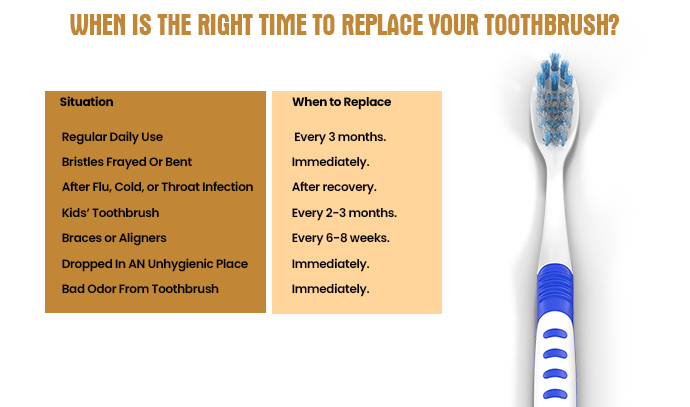
The short answer to when to change your toothbrush is every three months, or sooner if the bristles fray, after illness, or when using braces or aligners. This toothbrush replacement time supports better oral hygiene.
At IVIA Dental Clinic, we guide patients on preventive care. If you are looking for a trusted dental clinic in Faridabad, the best dental clinic in Faridabad, or an experienced dentist in Faridabad, including a dentist in Metro Hospital Faridabad, you can book an appointment with IVIA Dental for personalised guidance.
Read on to understand the signs, timelines, and situations where toothbrush replacement matters most.
The Short Answer: When To Change Your Toothbrush And Why Does It Matters?
Most dentists recommend a toothbrush replacement time of every 3 months. This matters because a worn toothbrush cannot clean plaque effectively, especially near the gumline and between teeth.
Replace sooner if:
- You notice frayed or bent bristles.
- You have recovered from a cold, flu, or throat infection.
- You use braces or aligners and your brush wears out faster.
The Clear Signs You Need To Replace Your Toothbrush Before Three Months!
If the bristles are spreading or losing shape, your toothbrush is no longer doing its job well. Use this quick checklist:
- Frayed or bent bristles.
- Discolouration or odour in your toothbrush.
- Brush feels rough on your gums.
- You cannot remember when you started using it.
- Bristles are spread and cannot reach your gumline properly.
If any of these signs show up, do not wait for the calendar.
Situations When You Should Change Your Toothbrush Immediately!
Dentists in Faridabad recommend immediate toothbrush replacement in these situations to reduce infection risk and plaque accumulation.
Should You Change Your Toothbrush After Being Sick?
Yes. After recovery from cold, flu, cough, or throat infection, change your brush. Germs can remain in the bristles and increase the chance of reinfection. If you asked when to change your toothbrush after illness, the answer is, right after you recover.
Should Children Replace Toothbrushes More Frequently Than Adults?
Yes. Kids often chew bristles or brush too hard, so the brush wears out faster. Parents who visit a dental clinic in Faridabad are usually advised to check the bristles weekly and replace them early if they fray.
Should You Replace Your Toothbrush More Often If You Have Braces Or Aligners?
Yes. Braces and attachments create more plaque traps. Orthodontic patients who consult a dentist in Metro Hospital Faridabad are often advised to replace brushes more frequently to maintain effective cleaning.
Manual Toothbrushes And Electric Toothbrush Heads Have Similar Replacement Timelines!
Yes. Whether manual or electric, the bristles wear out in a similar way.
How Often Should You Replace An Electric Toothbrush Head?
Follow the same toothbrush replacement time as a manual brush, usually every 3 months, or sooner if the bristles wear out.
Is An Electric Toothbrush Better Than A Manual Toothbrush?
Both can work well. The difference is usually technique and consistency, not the brush type. Many patients who consult a dentist in Faridabad learn that replacement and technique matter more than whether the brush is manual or electric.
What Happens If You Don’t Replace Your Toothbrush On Time?
A worn toothbrush does not clean well. This can lead to plaque buildup, gum irritation, and bad breath. When bristles bend, they stop reaching key areas, including the gumline and tight spaces between teeth. Over time, gums can become sensitive, irritated, or inflamed.
How To Store And Maintain Your Toothbrush Hygienically Between Replacements?
Storage helps day to day hygiene, but it does not extend toothbrush lifespan.
Do this:
- Rinse thoroughly after use.
- Store upright and let it air-dry.
- Avoid using closed caps daily because moisture gets trapped.
- Keep toothbrush heads separated.
At IVIA Dental Clinic, we remind patients that good storage supports hygiene, but it does not replace timely replacement.
Do You Need To Sanitise Your Toothbrush?
Usually not. Rinsing well and letting it air dry is enough. The bigger mistake is delaying replacement once the brush is worn out.
Dentists Recommend These Toothbrush Features For Better Cleaning And Healthier Gums!
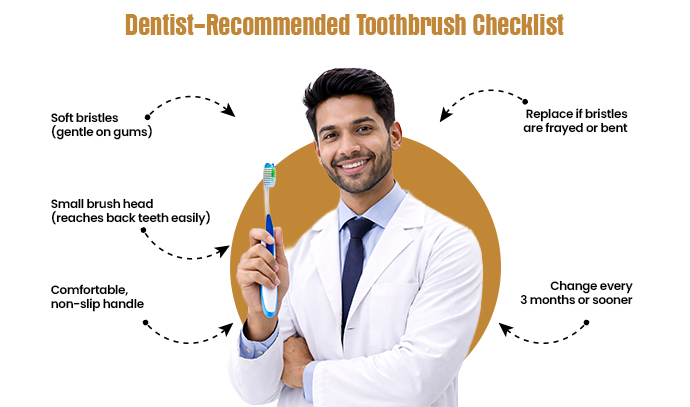
A good toothbrush should clean effectively without irritating gums. Choose:
- Soft bristles.
- Small head.
- Comfortable grip.
- Gentle pressure while brushing, fast fraying often means brushing too hard.
Expert Guidance From IVIA Dental In Faridabad On Preventive Dental Care!
Many people brush twice a day but still get plaque buildup because the brush is too worn to work properly. At IVIA Dental Clinic, we often see this during routine checkups. Small habits like replacing your brush on time make daily oral care more effective.
If you are searching for the best dental clinic in Faridabad, a reliable dentist in Faridabad, or a trusted dentist in Metro Hospital Faridabad, book a checkup with IVIA Dental at +91 93501 30755 or +91 93547 74976.
Frequently Asked Questions
What is the toothbrush replacement time dentists recommend?
The standard toothbrush replacement time is every 3 months, or earlier if the bristles fray.
Should you change your toothbrush after a fever or cold?
Yes. Change it after recovery to reduce hygiene risk and reinfection chances.
How often should children change their toothbrush?
Every 2–3 months, and sooner if bristles get damaged.
How often should you replace an electric toothbrush head?
Every 3 months, or sooner if the bristles fray or after illness.
Can using an old toothbrush cause gum problems or bad breath?
Yes. A worn brush can leave plaque behind and irritate gums, which can contribute to bad breath.
What is the best way to store a toothbrush hygienically?
Rinse well, store upright, let it air dry, and avoid closed caps for daily use.